
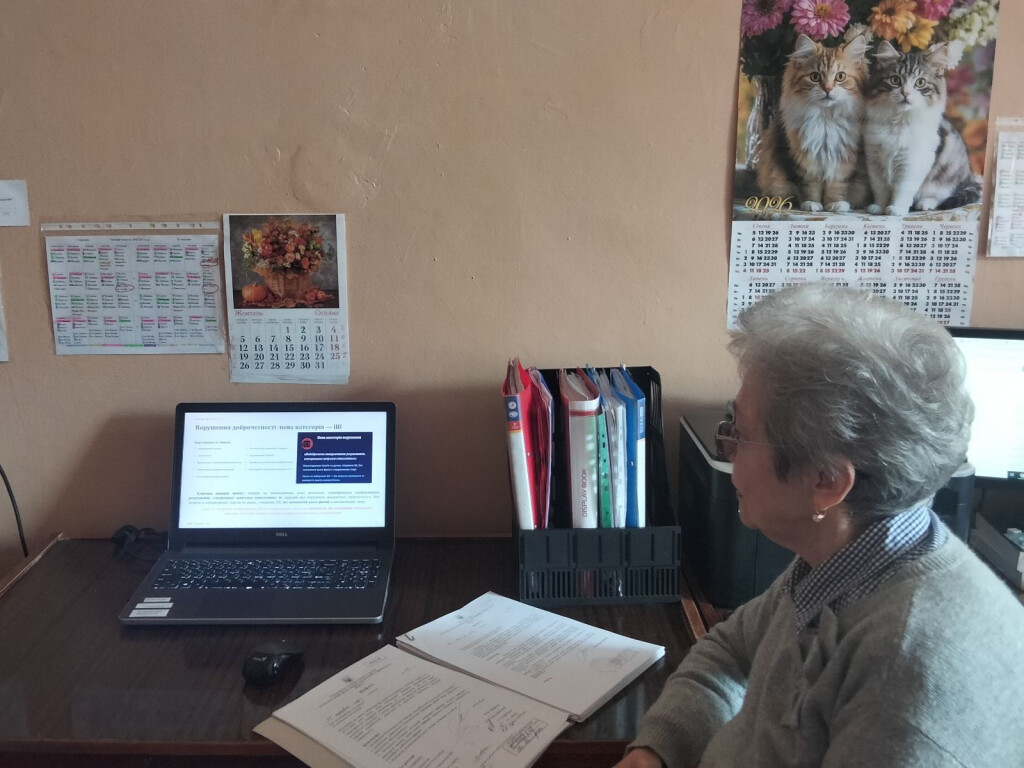
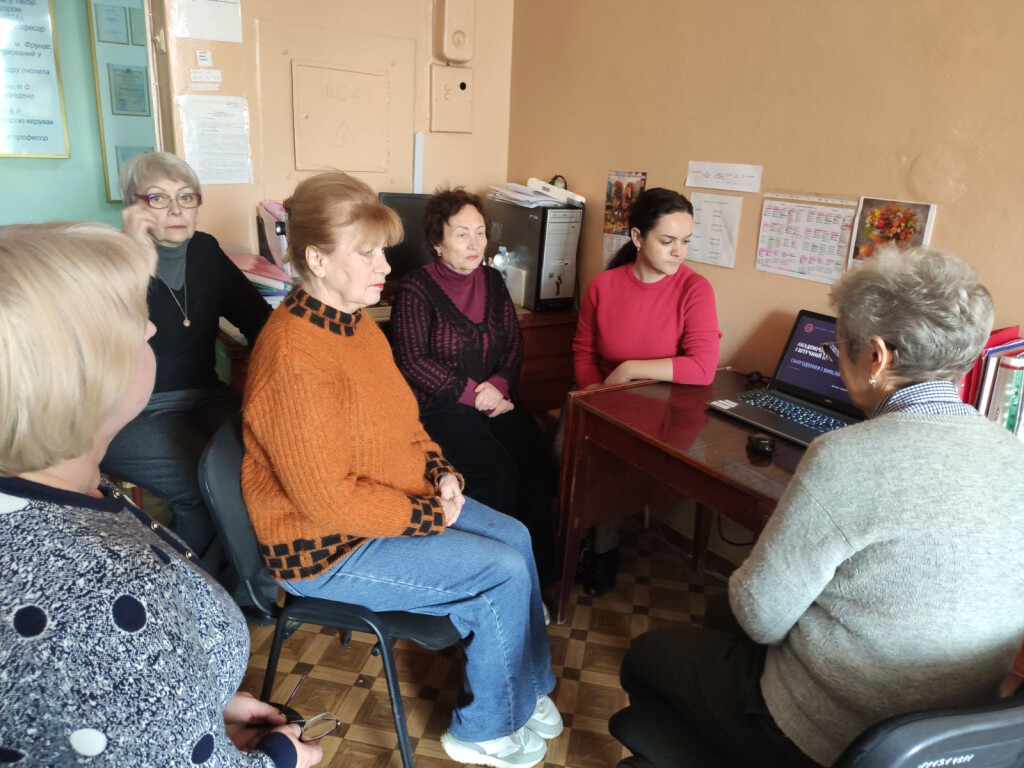
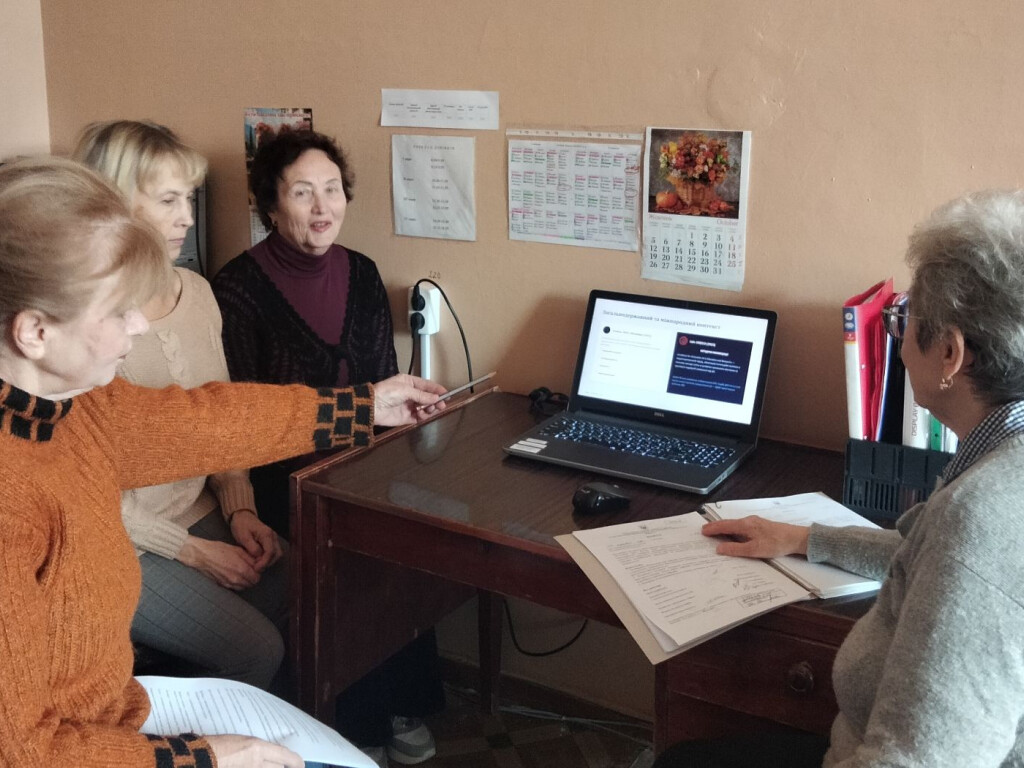
27 жовтня 2026 року на засіданні кафедри мікробіології, вірусології та імунології ПДМУ професорка Галина Лобань представила інформацію про дотримання академічної доброчесності та відповідального використання штучного інтелекту (ШІ). Базовою була первинна інформація проректора з навчальної роботи ПДМУ професора Давида Аветікова з основних положень Закону України №4742-ІХ «Про академічну доброчесність». До обговорення долучилися усі доценти та викладачі кафедри, які відмітили, що академічна доброчесність є ключовим чинником у забезпеченні якості медичної освіти, сприяє становленню морально-етичних засад майбутньої професійної діяльності медичних фахівців. Використання штучного інтелекту (ШІ) сприяє оптимізації освітнього процесу, розширенню можливостей для самостійного навчання та підвищенню ефективності опрацювання інформації. Проте, ШІ не може повністю замінити систематичного засвоєння теоретичних знань, набуття практичних навичок, формування цілісного професійного світогляду. З основними положеннями Закону України «Про академічну доброчесність», а також можливостями коректного та правомірного використання штучного інтелекту викладачі кафедри ознайомили студентів під час проведення виховних заходів. / On 27 October 2026, at a meeting of the Department of Virology and Immunology at Poltava State Medical University (PSMU), Professor Halyna Loban presented a report on upholding academic integrity and the responsible use of artificial intelligence (AI) in the educational process. The presentation was based on the key provisions of Ukrainian Law No. 4742-IX “On Academic Integrity,” which had previously been presented by Professor Davyd Avetikov, Vice-Rector for Academic Affairs at PSMU. All associate professors and lecturers of the department actively participated in the discussion. The meeting participants emphasized that academic integrity is a key factor in ensuring the quality of medical education and directly contributes to shaping the moral and ethical foundations of future medical professionals’ practice. At the same time, they noted that artificial intelligence can help optimize the educational process, expand opportunities for independent learning and improve the efficiency of information processing. However, AI technologies cannot replace the systematic acquisition of theoretical knowledge, the development of clinical skills or the formation of a comprehensive professional outlook essential for future physicians. The department’s academic staff had already familiarized students with the key provisions of the Law of Ukraine “On Academic Integrity,” as well as the principles governing the proper and lawful use of artificial intelligence tools, during dedicated educational and awareness-raising activities.